


From "Goya Day" to "GO-ya Day": A Tokyo Night for 11 People Who Carry the Word "GO"
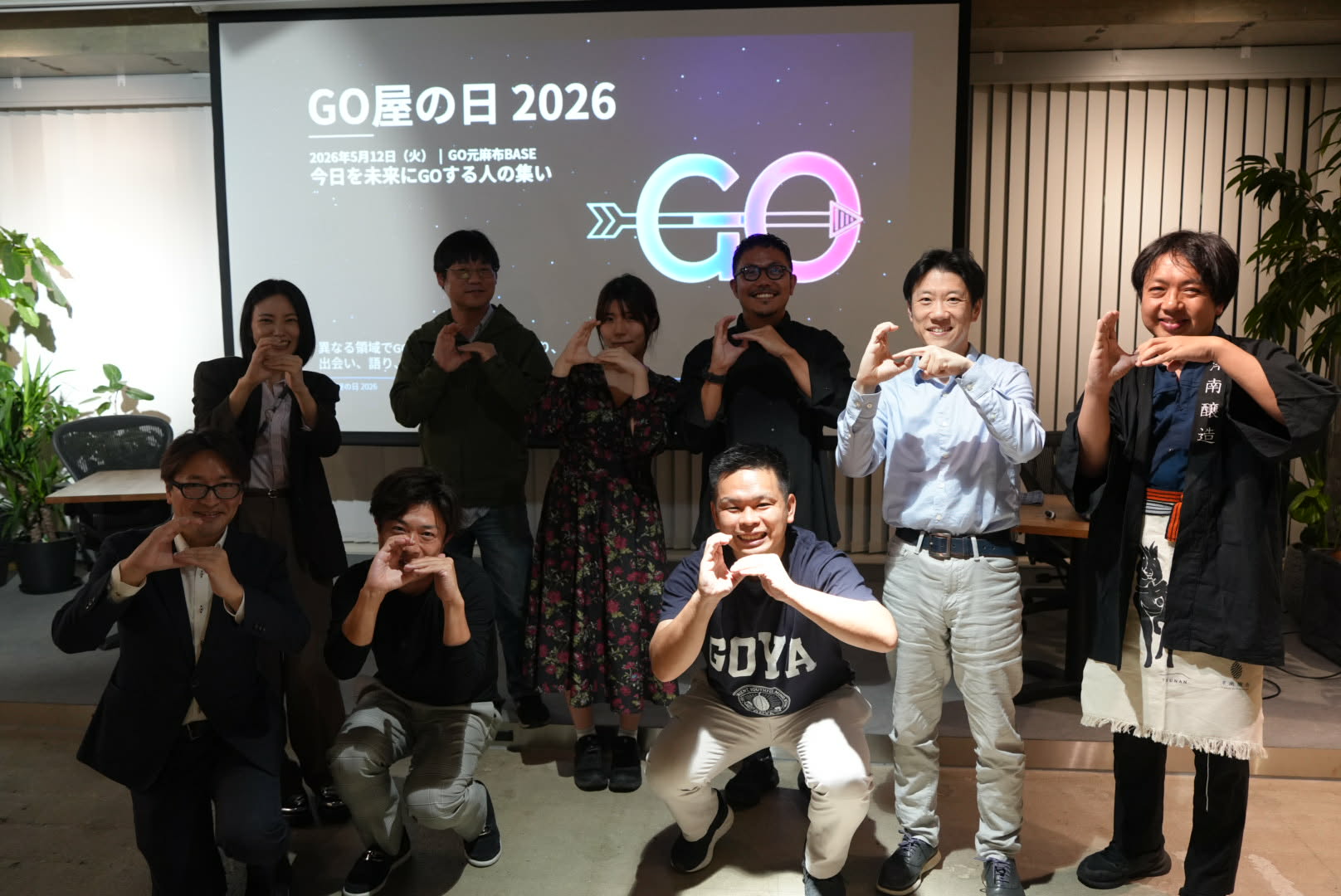
Every May, somewhere in Tokyo, a small annual gathering quietly takes place. It is called “Goya Day,” named after goya (bitter melon, the famously rugged summer vegetable iconic to Okinawan cuisine) and held on May 8 because the date can be read in Japanese as “go-ya” — five-eight. In 2026, the event finally shed its skin and became something else: “GO-ya Day,” a one-night club for people who, in one way or another, carry the letters “G-O” in their name, their company, or what they make. The founder is Goya Furukawa, the event’s organizer who has hosted Goya Day for years. This year’s rule was simple. Invite only the people whose names contain “GO.” Among the guests was Kengo Suzuki — known to friends as “Ken’GO’ Suzuki” — president of Tsunan Brewery Co., Ltd. and concurrently representative of Space Seed Holdings Inc.
The idea was born over lunch in January 2026. “We’re basically in the GO business, right?” Furukawa said. “Let’s get the GO people together.” Shifting one syllable from goya to GO-ya — roughly, “GO-pros” or “people who keep going” — turned a vegetable pun into a soft manifesto: a gathering of people who keep moving forward. Suzuki, sitting across the table, agreed on the spot. As the man behind Tsunan Brewery’s flagship sake “GO” (郷), he was, by his own admission, the obvious test case. Hence the nickname.
From there, the guest list took an unusual shape. The only criterion was that “GO” had to appear somewhere — in a personal name, a company name, or a product name — and that no two guests should come from the same industry. The first person Furukawa called was Mr. Miura of The Breakthrough Company GO. The two had met only once before, yet Miura agreed immediately and offered his company’s office as the venue. Startup founders, researchers and creatives followed: 11 “GO-ya” in total, almost all meeting for the first time.
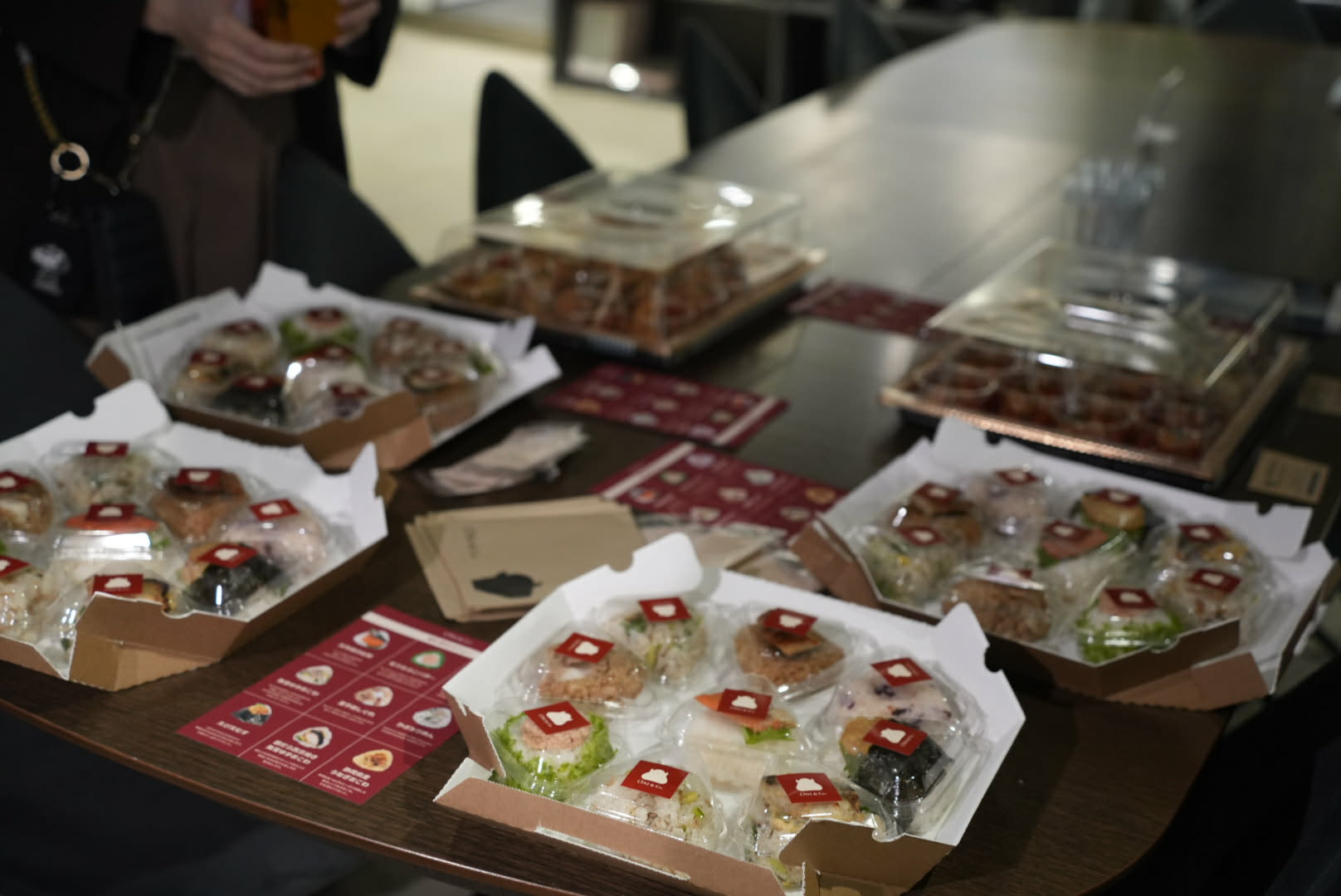
If the venue was GO, so was the catering. Mr. Kawarada of ONI&Co, a Tokyo rice-ball specialist, rebranded his stand for the night as “ONI & Go” — a wink at both the shop’s name and the spirit of the evening. The drinks lineup followed the same rule with almost comic discipline: Tsunan Brewery’s sake “GO,” a craft beer called GOod Ale, and a soft drink called GOGO no Kocha (“Afternoon Tea”). Whether or not a guest drank alcohol, there was always a “GO” in the glass.
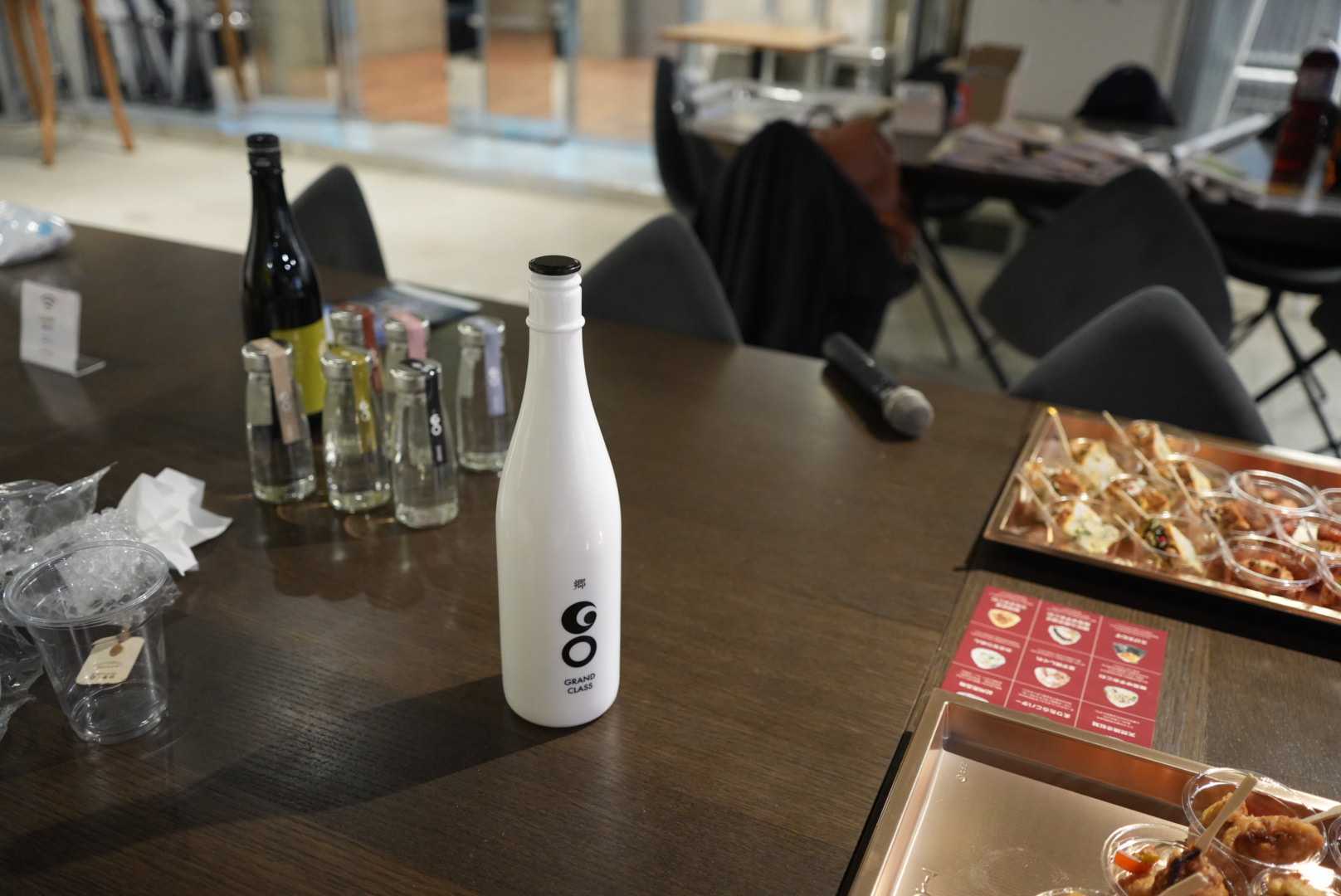
Onto that table, Tsunan Brewery placed a second bottle: GO GRANDCLASS – Uonuma Koshihikari Edition, a junmai daiginjo positioned at the top of the “GO” line. Unusually, it is brewed not from a designated sake-rice cultivar but from 100 percent Koshihikari grown in the Uonuma district of Niigata Prefecture — a table-rice variety widely regarded as Japan’s benchmark for everyday eating quality, and especially prized when grown in Uonuma. Brewing sake from a table rice is technically demanding; Tsunan Brewery paired AI-supported process design with the judgment of its master brewer, and the resulting cuvée took Gold in the Junmai Daiginjo category at KURA MASTER 2024, the French-led competition that has become one of Europe’s most-watched showcases for Japanese sake.
Placing GRANDCLASS on the GO-ya table was not just a product reveal. A sake whose name is literally “GO” was being poured for people who themselves carry “GO” — a small moment in which a brand quietly dissolved into its own context. A sake made from local rice and judged in Europe, meeting eleven people who have each, in their own field, kept going.
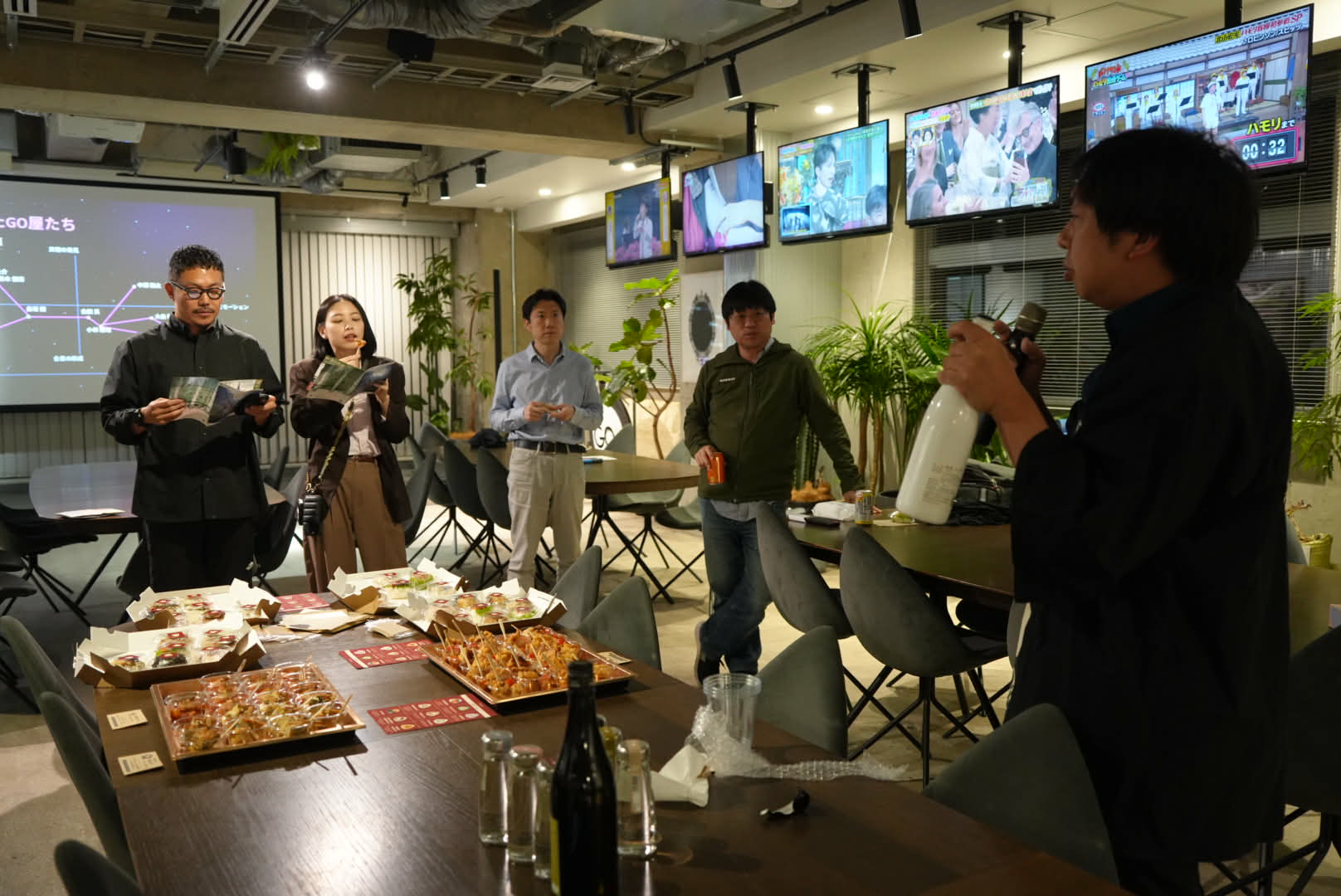
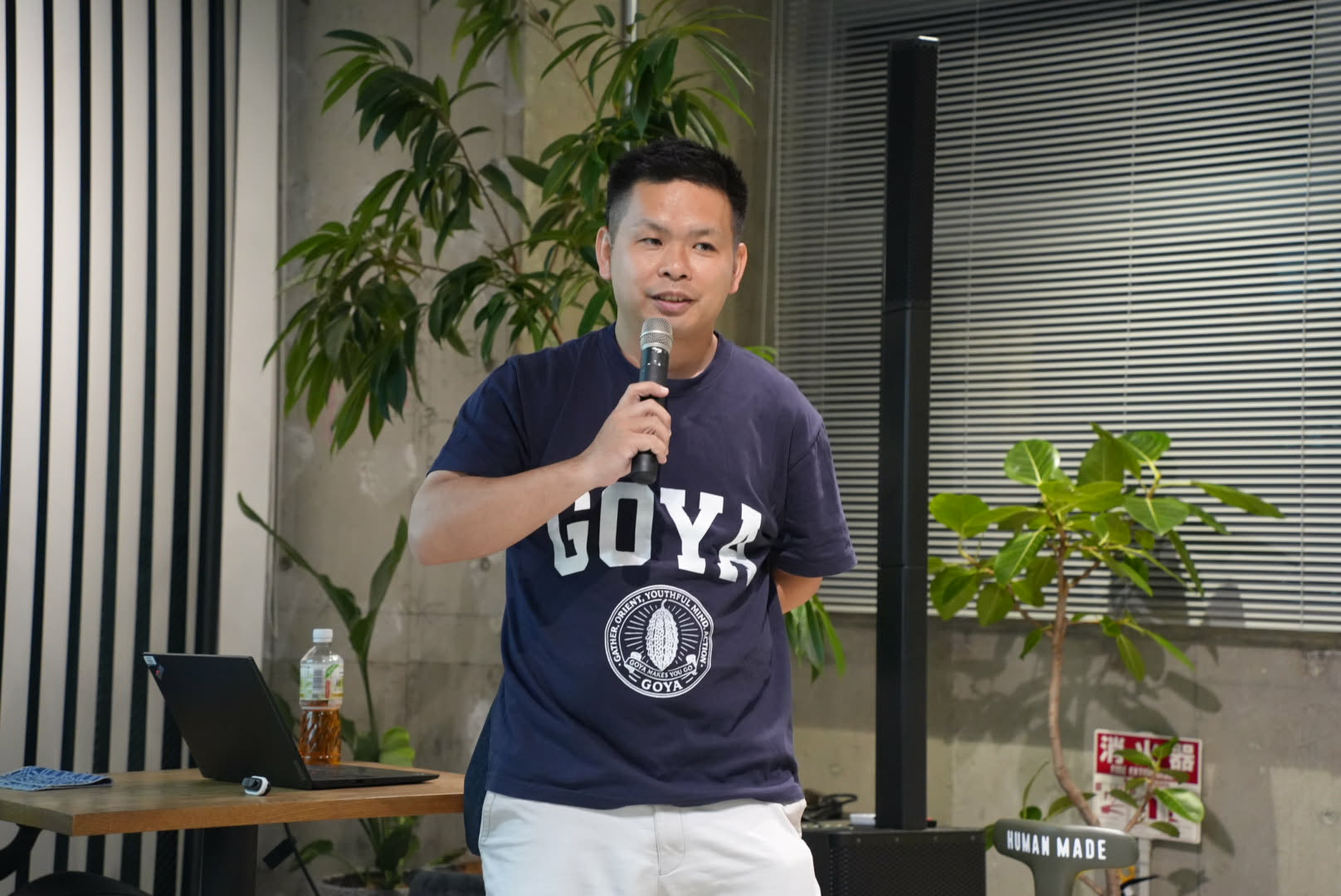
The evening opened with self-introductions and broke later into small-group conversation. Suzuki summed up the night in his usual deadpan: “We’re in the GO business. We got the GO people together. This is what happened.” Setting titles aside and talking as fellow GO-ya, he said, made for a denser conversation than he had expected.
Tsunan Brewery’s “GO” was created by a sake house in the town of Tsunan, Niigata, with the explicit aim of making sake that travels to the next generation. Cool climate, abundant snowmelt water, and a deliberate marriage of traditional brewing and contemporary branding define the house style. On this night, “GO” and its upper-tier GRANDCLASS edition did something a label rarely does: they stepped out of the role of product and became, briefly, a keyword that connected people.
“GO-ya Day” is, for now, a prototype. Furukawa says the list of GO-ya he still wants to invite is long. Next year, almost certainly, there will be more “GO” on the table.